

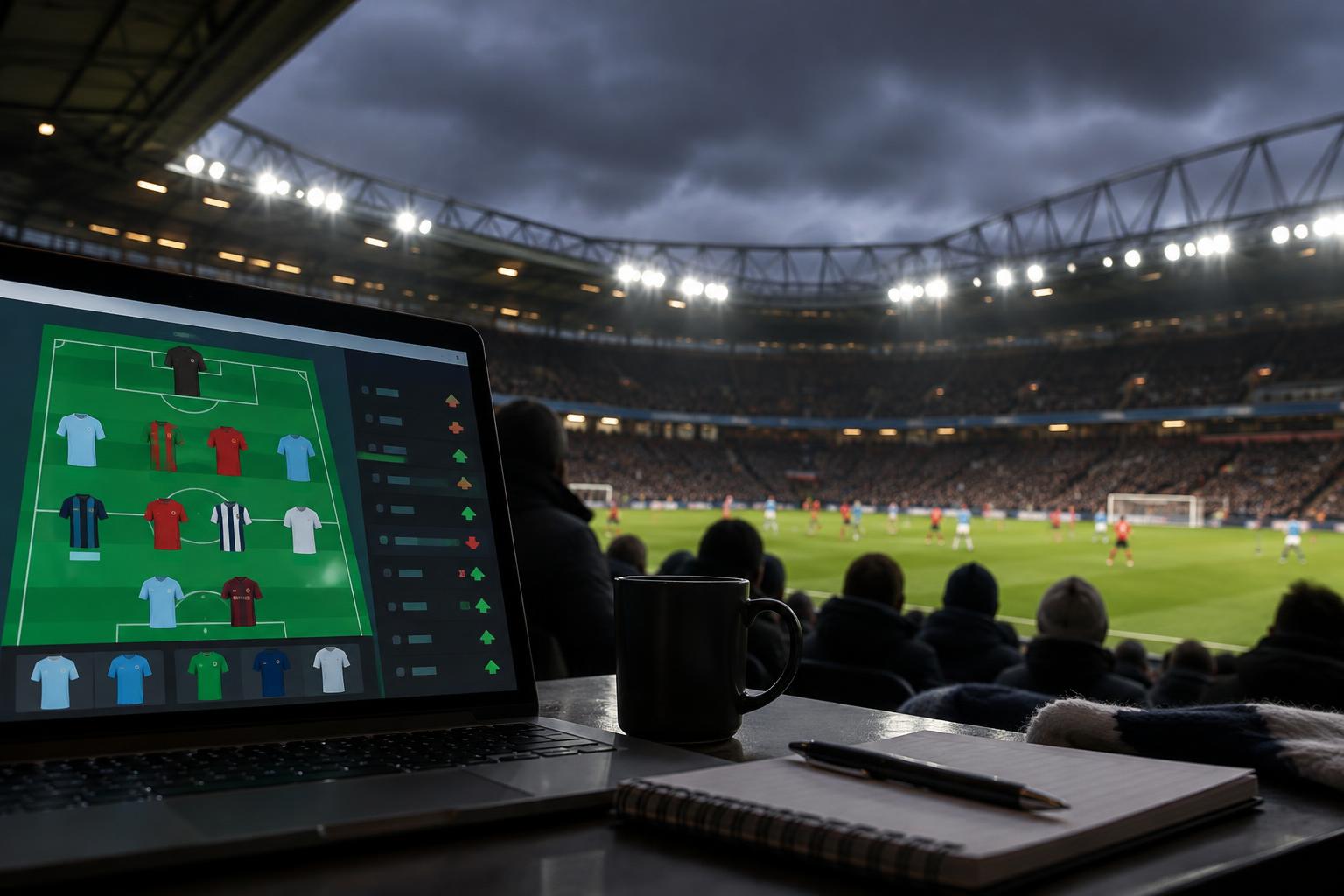
Learn why FPL prices rise and fall, when changes happen, how selling prices are calculated and when an early transfer is worth the risk.
FPL price changes reflect how heavily managers are buying and selling players: popular signings can rise in price, while heavily sold players can fall. Changes happen daily, overnight UK time, in £0.1m steps, rather than immediately after a goal or injury. The other crucial rule concerns selling: you keep only £0.1m of profit for every £0.2m a player gains while you own him. That means his current market price and the amount you can sell him for are not necessarily the same.
Why and when FPL prices change
 Advertisement · 18+ · Gamble responsibly · BeGambleAware.org
Think of FPL prices as a response to the transfer market, not a direct reward for performances. A brilliant display can persuade managers to buy a player, and that buying activity can push his price upwards. Likewise, disappointing form or worrying team news can prompt sales. But the performance itself is not the price-change trigger. A player does not automatically become more expensive because he scores, nor cheaper because he blanks. Most players’ prices remain unchanged on any given day, even while the fashionable picks attract plenty of attention.
A player can rise or fall by £0.1m in a daily change. The Premier League’s longstanding guidance says movements have historically tended to total no more than £0.3m per Gameweek. Changes take place overnight UK time; at the time of writing, its Price Change Predictor guidance specifies 00:00 UK time. The practical lesson is that prices do not wait for the next deadline. A transfer you can afford this evening might be out of reach tomorrow, whether because your target rises or because the selling value of someone you own drops.
How FPL selling prices work
There are three prices worth distinguishing. Purchase price, or PP, is what you paid for a player. Current price, or CP, is what it costs to buy him now. Selling price, or SP, is what you receive when transferring him out. On your Transfers page, the price displayed for a player already in your squad is his selling price. Switch to the List view to see the distinctions more clearly. Before planning a move, use that selling figure rather than assuming you can cash in at the price everyone else pays.
The Premier League’s examples make the profit rule straightforward. Buy a player for £5.0m and watch him rise to £5.4m: other managers must pay £5.4m, but you can sell for £5.2m. If he rises to £5.3m instead, your selling price is £5.1m. If he only reaches £5.1m, you still receive £5.0m. In short, your share of a price gain is halved and rounded down to the nearest £0.1m. A single rise therefore makes a player more expensive for new buyers without necessarily creating any spendable profit for you.
This also explains why a small market-price movement does not always change what you can afford. In those examples, a player priced at £5.3m and one priced at £5.2m would both sell for £5.1m if bought for £5.0m. Check the actual selling price before panicking about a potential fall. More broadly, squad value can grow beyond the initial £100m budget or slip below it as prices move. But a rising headline value is not the same as having all those gains available to spend: the selling-price rule matters whenever you reshape your team.
Tracking price changes without chasing them
Start with the transfers-in and transfers-out statistics on the FPL website. They show where managers are moving their money and which players may be heading towards a change. At the time of writing, the official Price Changes tab also provides progress towards rise and fall thresholds, with data updated every 15 minutes. Treat those percentages as indicators, not promises. The Premier League explicitly warns that predictions are not guaranteed: late transfer activity can move a player back below the threshold before the overnight update. A likely rise is still not a confirmed rise.
Before making an early transfer, ask whether a change would actually block your plan. If you can only just afford your preferred move, protecting that budget has a clear benefit. If you have room to spare, waiting can give you more information about fitness, selection and upcoming fixtures. There is a trade-off either way: buying early protects the price but leaves you exposed to later news. The sensible question is not simply whether a player might rise tonight, but whether securing him now is worth giving up the information you could gain by waiting.
Finally, resist turning your squad into a collection of predicted risers. Building value can make future transfers easier, but the purpose is still to pick players who deliver points. Check your outgoing player’s selling price, your target’s current price and your remaining budget before confirming any move. Have an alternative ready if waiting makes the first choice unaffordable. Price awareness is useful housekeeping, not a reason to abandon a good football decision: the best purchase is someone you want in your team, not merely someone everyone else is buying.
More columns

Arsenal need perspective after Fleetwood, but not an excuse
Touchline Opinion
29 October 2026

How Many Games Are There in a Premier League Season?
Touchline Guides
28 October 2026

When did Arsenal last win the Premier League?
Touchline Guides
28 October 2026

When Did Leicester Win the Premier League?
Touchline Guides
28 October 2026
